The short answer
A wax ring seal works as soon as the toilet is set and bolted down, so a properly installed toilet can be used right away. Caulk around the base is cosmetic and does not need to cure before use, though some manufacturers suggest waiting before the base caulk is subjected to water.
What needs to happen first is testing. Flush several times, watch the base and the supply connection for water, and wait. A leak is far easier to catch in the first hour than after a week of use under a tile floor.
The first-hour checklist
Check the bolts
Nuts should be snug and the toilet should not rock. Do not overtighten, since porcelain can crack.
Fill and flush
Open the shutoff, let the tank fill, flush five or six times and watch the base.
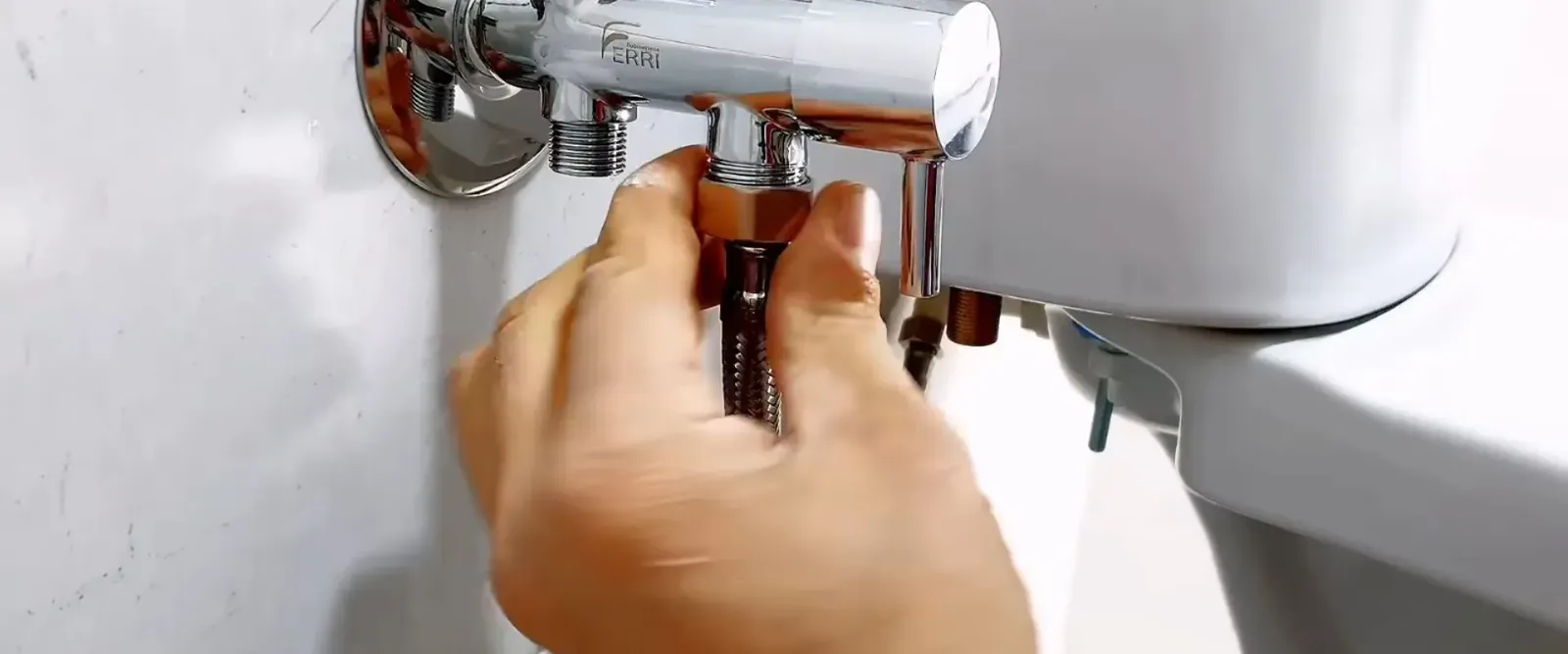
Check the supply line
Run a dry paper towel along the connections at the valve and tank.
Wait and recheck
Look again after an hour, and again the next morning.
A single drop on the towel means a loose connection. Tighten gently and recheck. If water appears at the base, the seal did not seat, and the toilet has to be lifted and reset with a new seal.
What can go wrong on a fresh install
| Symptom | Cause | Fix |
|---|---|---|
| Rocking toilet | Uneven floor or flange set too low | Shim or reset on a corrected flange |
| Water at the base | Seal not seated or flange damaged | Reset with a new seal, repair the flange |
| Sewer smell | Missing or failed seal | Reset the toilet |
| Weak flush | Partial clog or a tank setting | Adjust the fill or clear the trap |
| Running tank | Fill valve or flapper adjustment | Adjust or replace the parts |
Most of these trace back to the flange. The flange is the ring on the floor that the toilet bolts to. If it is cracked, rusted or sits below the finished floor, no seal will hold. Our toilet repair and installation page explains how we check it.
Special cases
New tile floors
If tile was laid after the old toilet was removed, the flange may now sit too low. A flange extender or a taller flange fixes it.
Toilets on a slab
A sealed slab leaves no room to find a leak, so test more carefully.
Second-floor bathrooms
A slow leak can stain the ceiling below. Check the room beneath after the first day.
Wall-hung toilets
The carrier and tank are inside the wall. Have a plumber test the whole system.
When the clog is not the toilet
If a new toilet gurgles or other fixtures back up when you flush, the problem is not the toilet. A shared line may be partly blocked. Our drain cleaning page explains how we trace and clear it.
Choosing a seal: wax or wax-free
A wax ring is the traditional seal and works well on a sound, level flange. A wax-free seal uses a rubber or foam gasket and can be reused if the toilet has to be lifted again. Either works when the flange is in good condition.
Extra-thick wax rings help when the flange sits slightly below the floor, but they are a workaround. If the flange is well below the floor, a flange extender is the better fix, because a thick ring can compress unevenly and leak after weeks of use.
Whichever seal you choose, set the toilet straight down without rocking it back and forth. Twisting disturbs the seal and is the most common reason a fresh install leaks.
Pleasant Hill: efficiency rules and older bathrooms
California requires toilets sold in the state to meet water efficiency standards, so a new toilet will typically use less water per flush than one installed decades ago. Older Pleasant Hill homes built in the postwar years often have original toilets and, in some cases, original drain lines.
If you replace a toilet and the old drain line is clay or cast iron, a lower flush volume can reveal a marginal line. Central San advises professional inspection or cleaning at least every other year if trees are near your lateral, which is a sound step before a bathroom remodel.
See the Concord page and the Martinez page for neighboring areas.
Local questions
Right after it has been tested. Flush several times and check for leaks first.
The caulk is mostly cosmetic. Follow the product's instructions.
The floor may be uneven or the flange may sit too low. Shim or reset it.
The seal did not seat or the flange is damaged. The toilet has to be reset.
Many homeowners do. A damaged flange or a slab floor is a good reason to call a plumber.
Still have a question about your situation? Call (855) 575-2890 any hour and describe what you are seeing.